In the desert north of Phoenix, cranes rise above dusty construction sites where new semiconductor factories are taking shape. Steel frames stretch across the landscape, part of a transformation that state leaders say could redefine Arizona’s economy for decades.
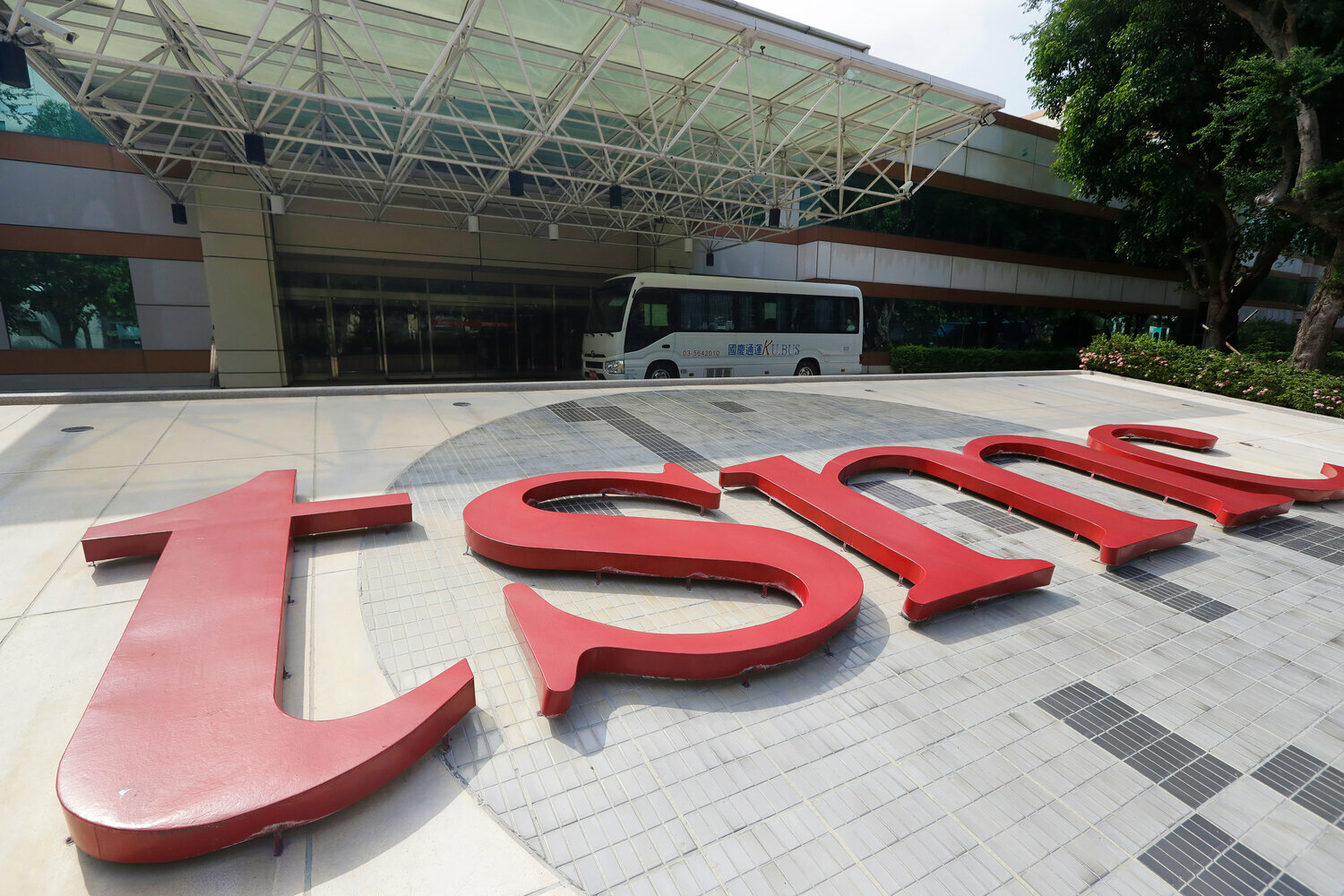
At the center of it all is Taiwan Semiconductor Manufacturing Company, better known as TSMC, whose sprawling north Phoenix campus has become a symbol of America’s push to rebuild domestic chip manufacturing. Along with other projects announced across the state, the investment totals tens of billions of dollars and promises thousands of new jobs.
But behind the optimistic headlines, the data tells a more nuanced story about who stands to benefit from Arizona’s semiconductor boom — and how much many of those workers will actually earn.
Arizona a hub
Since 2020, Arizona has emerged as one of the country’s fastest-growing semiconductor hubs, fueled by pandemic-era supply chain disruptions and federal incentives through the CHIPS and Science Act. State officials and industry groups estimate that recent projects could create more than 20,000 direct semiconductor jobs, not including the ripple effects expected across construction, transportation, restaurants and other local industries.
For many Arizonans, the growth represents opportunity. TSMC alone is expected to employ thousands of permanent workers once its facilities are fully operational, while construction sites have already drawn a large temporary workforce.
Semiconductor future
Economists often describe semiconductor manufacturing as a multiplier industry: one engineering or factory job can support several others throughout the local economy. New workers need housing, food, healthcare and transportation, creating demand far beyond the factory gates. Still, not every position comes with a Silicon Valley-sized paycheck.
Federal labor data shows the industry’s highest-paid workers — engineers, software specialists and advanced manufacturing experts — can earn well into six figures. But many of the jobs being added fall into a different category entirely: technicians, equipment operators and maintenance workers who keep highly automated factories running around the clock.
Numbers
Those positions are critical to the industry, but they typically pay much less. Recent job listings in the Phoenix area show engineering salaries commonly exceeding $100,000 a year, while some technician positions offer closer to $20 to $30 an hour. For many workers, that translates to annual earnings between roughly $40,000 and $60,000.
Those wages can still provide stability, especially for workers without four-year degrees. But in metro Phoenix, where housing costs and rents have climbed sharply in recent years, many middle-income workers are feeling increasing financial pressure.
Workforce pipeline
The semiconductor expansion is also reshaping Arizona’s workforce pipeline. Community colleges are rapidly expanding technician-training programs, while universities are increasing engineering enrollment to meet future demand. Schools and employers have launched partnerships aimed at preparing students for careers in advanced manufacturing.
That effort reflects another challenge facing the industry: finding enough qualified workers. Companies continue to report shortages in specialized technical roles, leading to aggressive recruiting efforts both locally and internationally. Industry leaders say the labor gap could become one of the biggest obstacles to sustaining Arizona’s growth as a semiconductor hub.
Even so, momentum continues to build. Phoenix is now considered one of the nation’s leading metro areas for semiconductor development, with additional projects already planned or under construction.
Supporters of the industry argue that many of today’s mid-level technician jobs could become pathways to higher-paying careers over time as workers gain experience and specialized training.
For now, though, Arizona’s chip boom appears less like a rising tide lifting everyone equally and more like a layered economy taking shape in real time — one built on a relatively small number of highly paid engineering jobs supported by a much larger workforce keeping the factories running day and night.
Matt Loeschman has had two separate stints at Independent Newsmedia. He began as a reporter covering Peoria and later Surprise from 2000-2009. In 2017, he returned to Arizona and INI as the news editor of the Daily News-Sun (now the Phoenix Independent). He previously covered the Arizona Rattlers of the Indoor Football League for more than a decade.
Community: During high school football season since 2017, he contributes live postgame radio reports to the AIA Friday Night Football Wrap Up Show. He supports organizations such as Phoenix Children’s, Boys and Girls Clubs of the Valley and the American Cancer Society.
Education: The University of Texas at Austin majoring in Journalism-News and Public Affairs.
Random Fact: He can sing and he has been fortunate to meet many famous people during his journalism career including First Lady Hillary Clinton, King of Country Music George Strait and Oscar-winning actor Matthew McConaughey. Attended all 4 home games of the 2001 World Series.
Hobbies: Watching and playing a wide variety of sports, including golf, tennis, pickleball and softball. Playing PlayStation 5, working out, shopping and reading.

 By
By 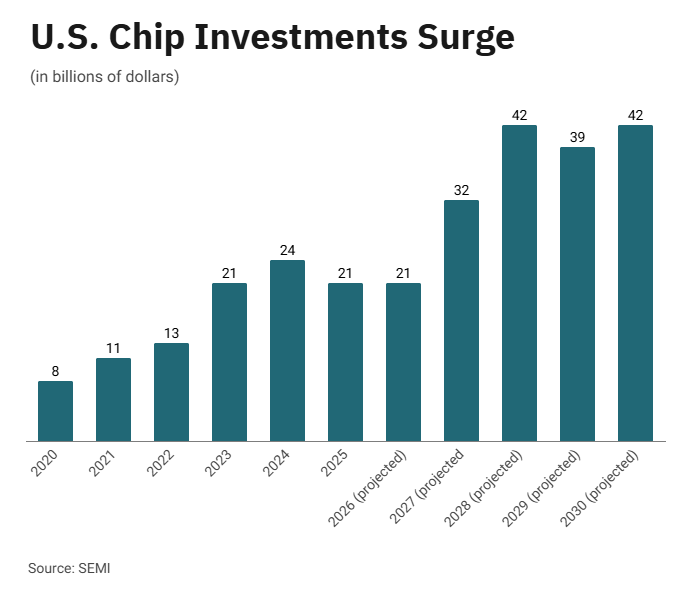


Comments
No comments on this item Please log in to comment by clicking here