Legislative bill could reshape school board power in Arizona
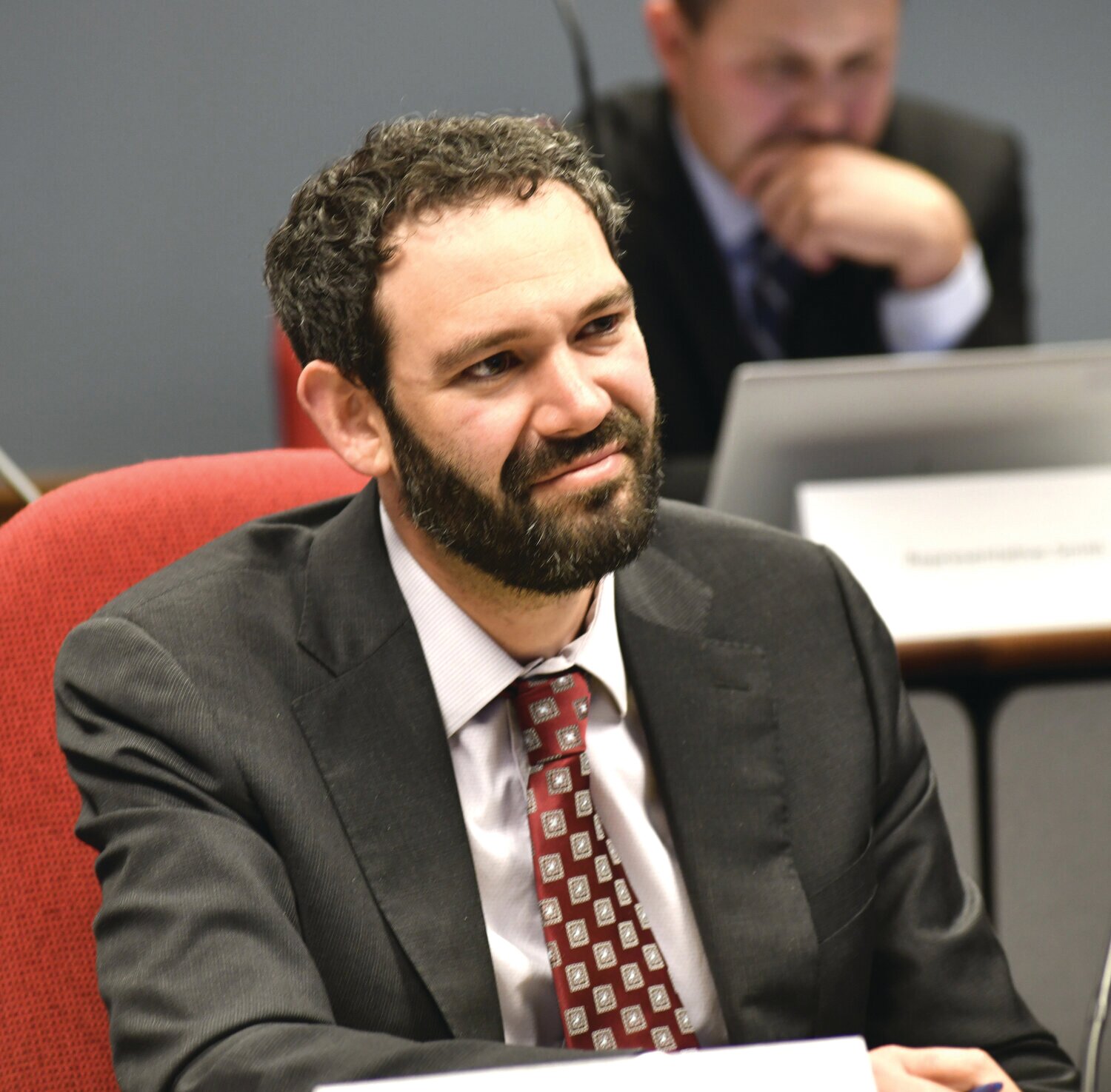
Photo by/Independent Newsmedia file photo
Rep. Alex Kolodin, R–District 3 and sponsor of HB2022
Posted
The Issue:
Arizona lawmakers are advancing House Bill 2022, an election administration bill that appears technical but could significantly alter who participates in school board primaries and how local education leadership is decided.
The Stats:
School board races in Arizona are often decided in low-turnout summer primaries, where participation can fall below 20%, amplifying the influence of organized political groups.
The Solution:
Policymakers face growing pressure to balance election efficiency with safeguards that ensure broad community participation in local education governance.
Share your opinion!
Want to get in on the conversation? Send your letters to AZOpinions@iniusa.org.
House Bill 2022 is a technical bill with structural consequences, advancing rapidly through the Legislature with limited public scrutiny. The measure would permanently move Arizona’s primary election from early August to late July, adjust election timelines and clarify rules governing election observers at polling locations.
The bill also addresses timelines for ballot-curing, which allows voters to resolve signature or paperwork issues on mail-in ballots, a process election officials say is critical to ensuring eligible votes are counted, particularly in low-turnout summer elections and local races such as school board contests.
While the bill is not framed as an education measure, its implications extend into school governance, where primary elections often determine the ideological direction of school boards long before general election voters weigh in.
Supporters say the bill updates Arizona’s election timelines to meet federal deadlines and improve oversight. Rep. Alex Kolodin, R–Scottsdale, the bill’s sponsor and a central figure in recent election-law proposals at the Capitol, said the measure is designed to “clarify existing Arizona election law.”
Kolodin has separately advanced broader changes to Arizona’s voting system, including efforts related to early voting and ballot access. In promoting those proposals, he said Arizonans are “tired of excuses and chaos on Election Day.”
Opponents of recent election legislation have warned changes to voting timelines and procedures can affect participation. Gov. Katie Hobbs, commenting previously on election bills more broadly, has cautioned against policies that prioritize administrative speed over voter access.
Opponents argue the changes could further depress turnout in already low-participation summer elections and heighten tensions at polling sites while Gov. Katie Hobbs has warned that similar proposals prioritize speed over access, calling them efforts aimed at “disenfranchising voters, not delivering faster election results for Arizonans.”
“I am for making election results faster," Hobbs said in a press release. "But this legislation adds red tape to the voting process and makes what should be a simple process more bureaucratic and more complicated.”
Why this bill matters in school board elections
School board races in Arizona are frequently decided in primaries with limited voter participation, particularly in suburban and rural districts. Moving the primary earlier in the summer may further reduce turnout among families, educators and working-class voters while leaving participation among highly motivated political groups largely unchanged.
Election researchers have found that shifting election dates can influence which voters participate, with low-salience elections disproportionately shaped by organized networks and ideological movements.
In the context of education policy, that dynamic can translate into school boards increasingly influenced by national political organizations rather than local community consensus.
Changing observer rules and the politics of participation
HB 2022 also clarifies rules for party observers at polling sites, a provision supporters say strengthens election transparency.
Opponents warn that expanded observer presence can heighten conflict or discourage participation, particularly in communities with high immigrant populations or historically marginalized voters.
"We're not about which party people vote for, we're about ensuring that everyone who has a right to vote is able to cast their vote in an accessible way and have their voice be heard,” said Alex Gulotta, Arizona director for nonprofit voting advocacy group All Voting is Local.
Legislative status and outlook
HB 2022 passed the House unanimously on Thursday after being substantially amended. Lawmakers removed a provision that would have reduced the ballot cure period to five calendar days and instead preserved the existing five-business-day cure window. The changes drew bipartisan support and the bill includes an emergency provision. The legislation also moves the primary election to an earlier date.
The bill was amended in committee on Wednesday and now advances alongside its Senate counterpart. The Senate version is scheduled to be heard in Rules next Monday before moving through caucus. With the cure-period reduction removed, the bill advanced without objection.
The measure must now have its House and Senate versions conformed before final passage in both chambers. If signed by Hobbs, it would take effect in the next election cycle, reshaping the conditions under which school board candidates are nominated and elected.
HB2022 provisions
Moves Arizona primary election from early August to late July
Adjusts ballot-curing timelines
Clarifies observer rules at polling sites
School board election context
School board races are often decided in primaries, not general elections
Summer turnout in some districts can fall below 20%
Political spending and national group involvement in school board races has increased in recent years
Potential impacts
Lower turnout among families and educators
Greater influence of organized political groups
Increased polarization in local education governance
The Arizona State Board of Education declined to comment and the requests for comment sent to multiple legislators and education advocacy groups were not returned by deadline.
Editor’s note: A grant from the Arizona Local News Foundation made this story possible. The foundation awarded 15 newsrooms to pay for solutions-focused education reporters for two years. Please submit comments at yourvalley.net/letters or email them to AzOpinions@iniusa.org. We are committed to publishing a wide variety of reader opinions, as long as they meet our Civility Guidelines.
Meet Stacy Stacy Mantle is joining the team at Independent Newsmedia, Inc. as an Education Solutions journalist, thanks to a grant from the Arizona Community Collaborative. She has a long history in education that ranges from teaching junior high and middle school to developing curriculum and standards-based assessments.
Community: A longtime advocate for animal welfare, Stacy is deeply involved in rescue efforts and volunteers with several nonprofit organizations.
Random Fact: Once upon a time, she shared her home with a pet coyote and two wolf hybrids. The experiences were wild enough to become the subject of her first book!
Education: She holds a BA in English with a minor in Political Science, a Post-baccalaureate in Secondary Education, and an MBA with a emphasis on Marketing.
Hobbies: In her spare time, Stacy writes fast-paced urban fantasy novels, crafts small-batch artisan soap, and is always up for hiking or off-roading through the Arizona wilderness with her husband of 23 years.

 By
By 


Comments
No comments on this item Please log in to comment by clicking here